
Damage Repairs to Walls, Ceilings and Floors
After water, fire or smoke damage, repair work brings each room back to its pre-loss condition: ceilings, drywall, subfloors and trim, patched and finished once the structure is dry.
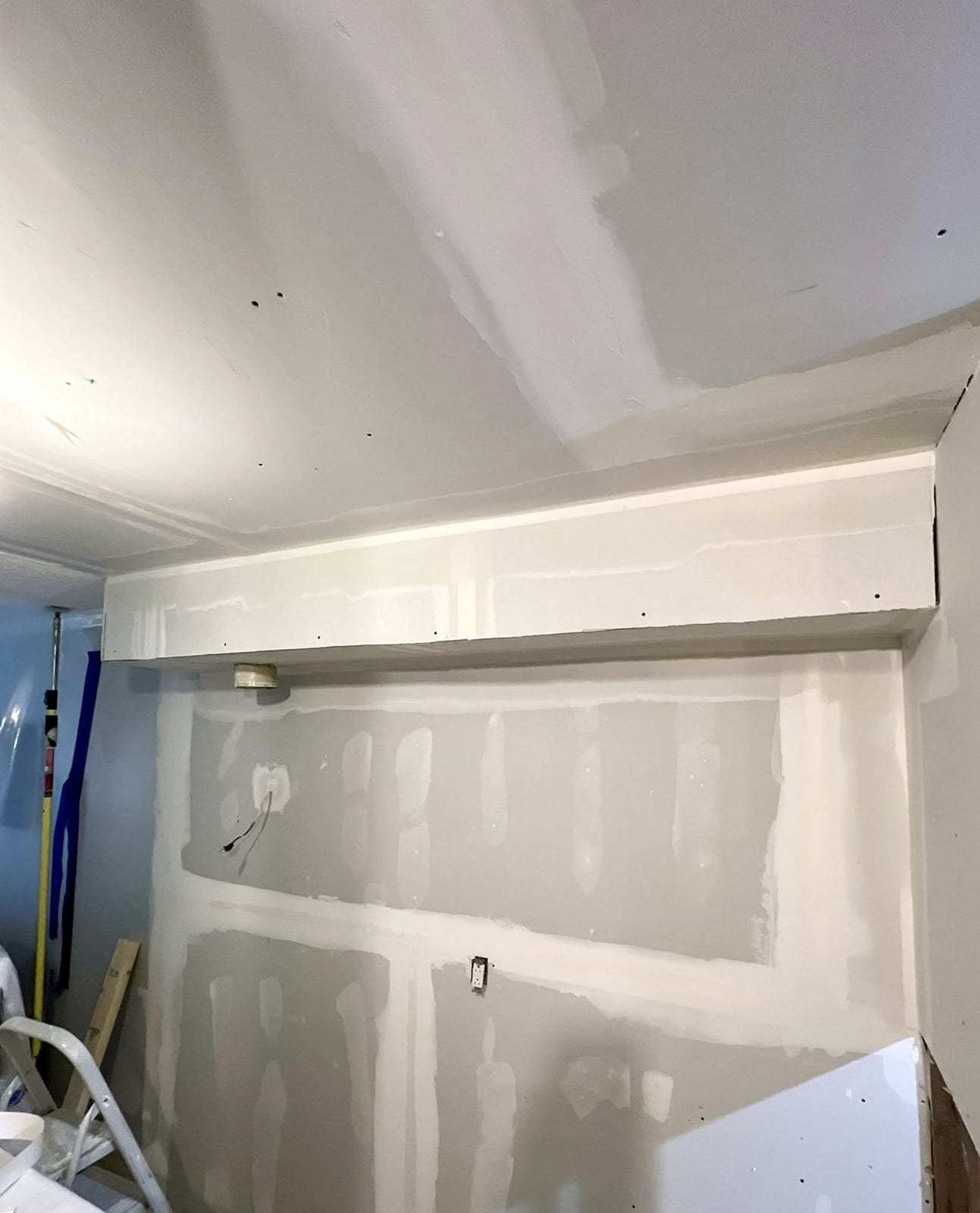
A Repair Is the Last Step of a Restoration Job
In restoration, a repair is the work that returns a room to how it was before the loss: the ceiling patched and painted, the walls closed up, the floor flat and solid underfoot. It comes at the end of a job, and it only holds up when the work before it is finished.
That earlier work is drying. Paint rolled over a damp stain lets the stain bleed back through, and new drywall hung on wet studs seals moisture into the cavity, where mold has time to grow. So we hold the repairs until moisture readings show that the framing, the subfloor and the drywall left in place are dry, which is where the water damage side of a job ends.
After a fire, the same idea holds with different steps. Soot is cleaned off, odor is treated at its source and charred material comes out before the first patch goes on, so the repair is not covering a smell or a stain that will come back.
The Repair Each Kind of Damage Usually Needs
Water, smoke and mold leave a familiar set of marks on a building, and each one points to its own repair. Where the mark sits matters too: a stain under a bathroom tells a different story from one along an exterior wall.
| Damage found | Repair work | Areas of the property |
|---|---|---|
| Water-stained ceilings | Dry it, cut out board that sags or stays soft, seal the stain with a stain-blocking primer and repaint the whole ceiling | Under bathrooms, kitchens and radiators; rooms under a roof leak or a unit upstairs |
| Wet drywall | Dry it in place where it stayed firm; cut out swollen or crumbling sections, then hang new board, tape, finish and paint | Lower walls in basements; walls behind sinks, tubs, toilets and washing machines |
| Warped subfloor | Dry the subfloor and the joists under it, then fasten down or replace the sheets that stay cupped, soft or delaminated | Kitchens, bathrooms and laundry rooms; floors under leaking toilets and dishwashers |
| Smoke-stained walls | Clean off the soot, seal the surface so stains and odor do not bleed through, then repaint | Rooms near the fire, upper walls and ceilings, and stairwells the smoke moved through |
| Mold-affected framing | Remove moldy drywall and insulation inside containment, clean and dry the studs, then rebuild the wall | Exterior walls, walls behind showers and basement walls that stay damp |
| Damaged trim | Take off swollen baseboard and casing, put back solid wood pieces that dried straight, replace the rest, then caulk and paint | Baseboards along wet floors, door casings and window sills under a leak |
Some materials sit on the line between a repair and a replacement. Which side they fall on depends on what the material is and what wet it.
Stained Ceilings Are Dried, Sealed and Patched

A brown ring on the ceiling is usually the first sign of a leak above: a bathroom, a radiator valve, the roof or, in a condo building, the unit upstairs. In the courtyard buildings and lakefront high-rises of Edgewater and Uptown, water often runs along a pipe or a joist and comes through a room or two away from where it started.
We dry the ceiling and the space above it before any patching. Drywall that held its shape can usually stay. A section that sags, feels soft or has pulled away from its screws is cut back to the joists and replaced with new board.
Then comes the finish: tape and joint compound over the seams, the texture blended into the rest of the ceiling where there is one, a stain-blocking primer over any mark that stayed, and paint across the whole ceiling so the patch does not show as a brighter square.
Patched Walls Are Painted Corner to Corner
A patch on its own rarely disappears. Fresh joint compound takes paint differently from the old wall, and even the right color looks wrong when it covers only part of a surface. That is why repair painting usually runs from one corner to the next, or across a whole ceiling, instead of stopping at the edge of the repair.
In an apartment building, a leak from one unit can mark the walls of the common hallway as well, so the repair has to reach every wall the water did. The floor is usually protected while the painting goes on.

Trim belongs to the same finish. Baseboards and door casings usually come off early in a water job so the wall behind them can dry. Solid wood pieces that dried straight can often go back on, while swollen MDF baseboard rarely recovers and is replaced; either way, the trim is caulked and painted with the walls.
Subfloors Have to Be Flat and Dry Before New Flooring
Under the finished floor sits the subfloor, usually plywood or OSB fastened to the joists. Water that runs under vinyl, tile or carpet soaks into it from above, and a slow leak under a toilet or a dishwasher can keep it wet for weeks before anyone feels a soft spot.
We start with structural drying: air movers and dehumidifiers work on the floor assembly until the readings come down, sometimes with the finished floor lifted so air can reach the wood. Plywood that dries flat and firm usually stays. Sheets that remain cupped, delaminated or soft underfoot are cut out and replaced, and the new subfloor is fastened down before the finished floor goes back.
When Wet Drywall, Hardwood and Framing Can Be Kept
Whether a material can be dried and saved depends on the water category, how long it stayed wet and what the readings show once drying is under way.
Can wet drywall be dried and kept?
Often, yes, when the water was clean, the leak was caught early and the board is still firm. Drywall soaked by sewage, or drywall that has swollen, crumbled or started to grow mold, is cut out and replaced. Moisture readings decide where that line falls, not the look of the wall.
Can a hardwood floor be saved after a leak?
Sometimes. Solid hardwood wet by clean water and dried soon after can flatten out again, though some boards may still need sanding and refinishing. Engineered and laminate floors swell at the core and seldom recover, and any wood floor soaked by sewage is removed.
Does a wet subfloor have to be replaced?
Often not. Plywood can usually be dried in place when the water was clean and the sheets have not swollen or come apart, while OSB swells at the edges more readily. Sheets that stay soft or delaminated after drying, or that soaked up sewage, are cut out and replaced.
Do wet studs and joists have to come out?
Rarely. Solid lumber can take on water and give it back without losing its strength, so framing is usually dried where it stands. It is replaced where it has rotted or charred, while studs with surface mold are cleaned and dried rather than torn out.
Repair Jobs We Handle After Water and Fire Damage
A small leak may need one of these; a larger loss can need all of them.
- Drywall patching and finishing
- Ceiling repair
- Subfloor drying and repair
- Wall and ceiling repainting after damage
- Odor and soot removal
- Structural drying
Call about the stain, the soft floor or the swollen trim, and we start with what caused it.